

If you are planning a trip to Istanbul, one spot you should not miss is the Egyptian Bazaar, also known as the Spice Bazaar or Mısır Çarşısı. This historic marketplace is a vibrant mix of history, aroma, colour and culture — and picking the right time to visit can make all the difference. Below is a practical, friendly guide on when is the best time to visit Egyptian Bazaar, what to expect, what to buy, and how to make the most of your visit.
What is Egyptian Bazaar (Spice Bazaar) and why visit
The Egyptian Bazaar is one of Istanbul’s most storied bazaars. Built in 1660 using revenues from the former Ottoman province of Egypt, it stands in the Eminönü quarter of Istanbul’s Fatih district.
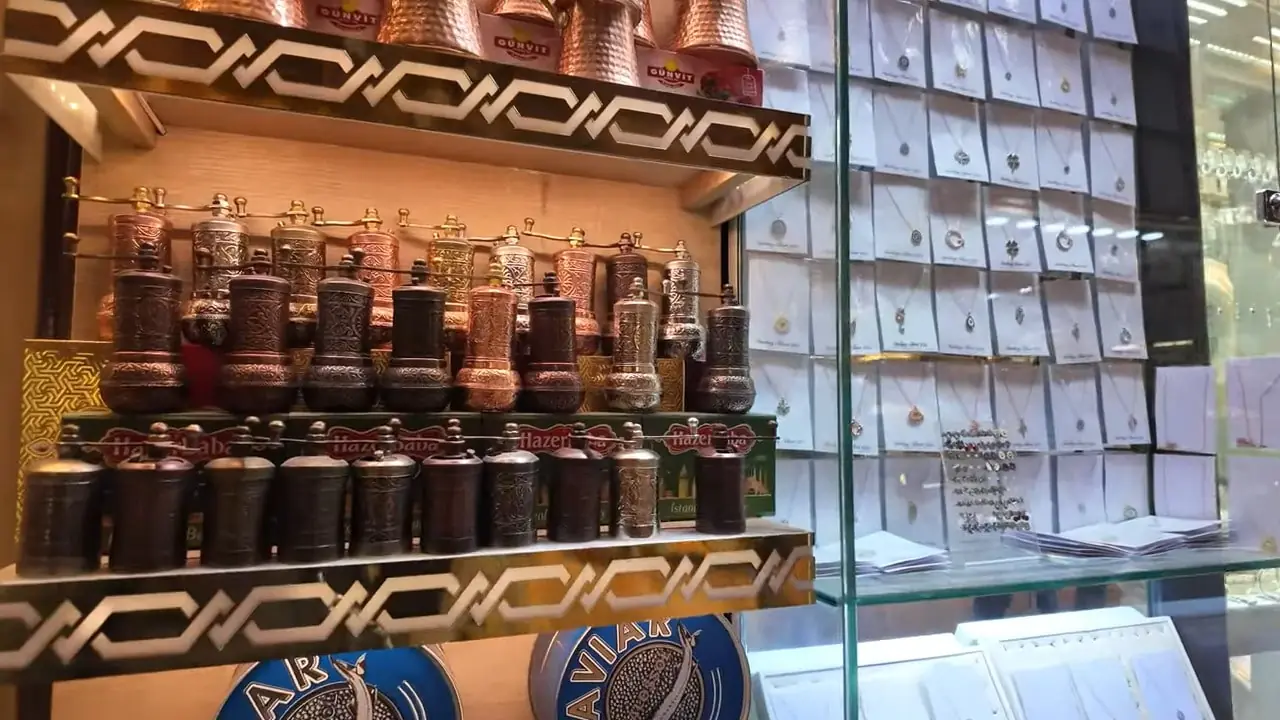
Inside the bazaar’s historic halls (with about 113 shops), you’ll find a colourful tapestry of spices, dried fruits, nuts, Turkish delight, ceramics, handmade souvenirs and traditional jewellery.
For travellers seeking an authentic Istanbul bazaar experience — less overwhelming and more focused than the massive Grand Bazaar — the Spice Bazaar offers sensory delight: the scent of saffron and cinnamon in the air, cheerful vendors, samples of lokum (Turkish delight), and a genuine old‑city ambience.
Best time to visit Egyptian Bazaar — Season & Timing
By Season
-
Spring (March–May): Probably the most pleasant season to visit. The weather across Istanbul is mild, city is coming alive after winter, and walking around bazaars and historic areas feels comfortable.
-
Autumn (September–November): Another great window. The summer heat subsides, tourists thin a little, and you avoid peak-season crowds while enjoying nice weather.
-
Summer (June–August): Bazaar remains open and lively, but Istanbul gets hot — and while culture and vibe are high, crowds (both locals and tourists) swell. Good if you like energy and don’t mind crowds.
-
Winter (December–February): Not ideal for weather‑dependent sightseeing, but if you want fewer crowds and don’t mind cooler, possibly rainy or chilly conditions, you might still find a quiet, moody bazaar experience.
Overall, spring (March–May) and autumn (September–November) stand out as the “shoulder seasons” when weather, comfort, and experience balance best.
By Time of Day and Day of Week
-
Best to visit early morning (around 08:00–10:00 am) — the bazaar tends to be much quieter, stalls are freshly stocked, and vendors are more available for conversations or bargaining.
-
Late afternoon (as market starts winding down) can also be pleasant for a more relaxed vibe once the midday tourist rush subsides.
-
Prefer weekdays over weekends — weekdays tend to be less crowded; weekends attract many tourists and locals, so aisles become busy quickly.
So, if you aim for minimal crowds + comfortable weather + authentic vibe, the “sweet spot” for visiting is a weekday morning in spring or autumn.
What to buy and do — Shopping, Souvenirs & Experience
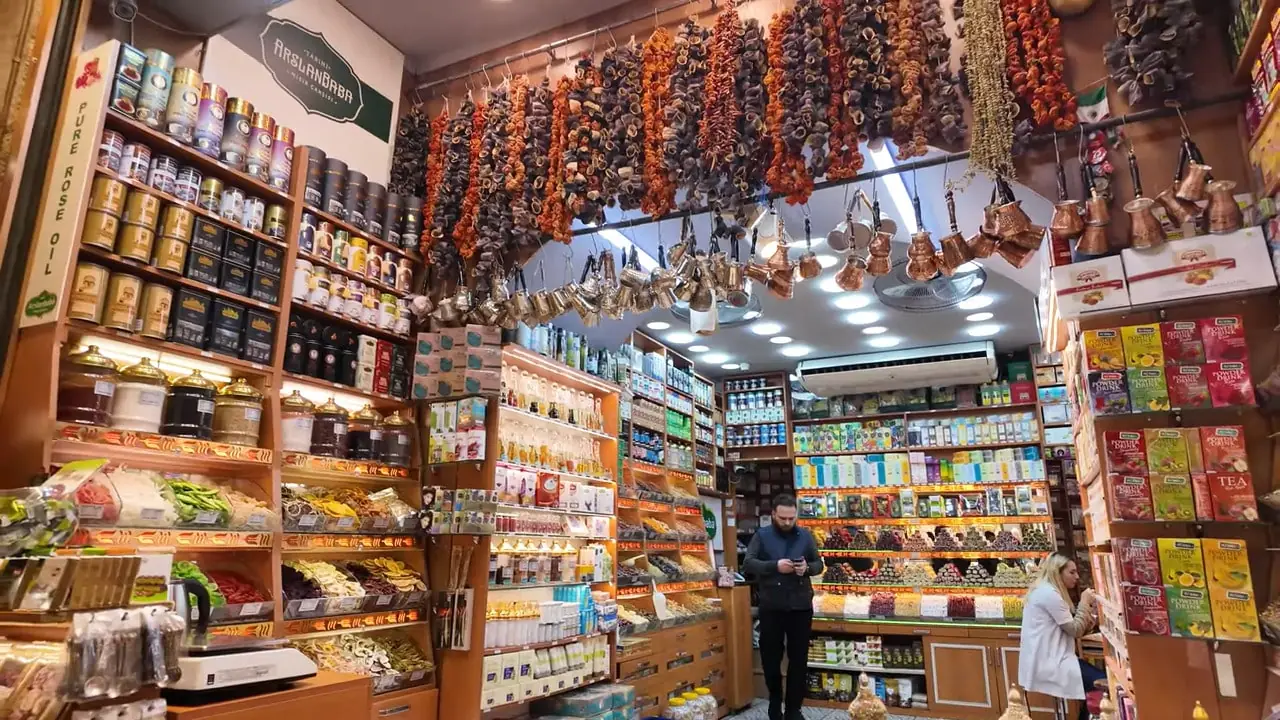
A trip to Spice Bazaar is not just about shopping — it’s an experience.
-
Spices & Herbs: aromatic spices such as saffron, sumac, paprikas, teas — perfect for cooking or as gifts.
-
Turkish Delight (lokum), dried fruits, nuts — many shops offer samples.
-
Souvenirs: handmade soaps, ceramics, painted ceramics/tile plates, traditional jewellery; useful if you’re buying gifts or mementos.
-
Atmosphere & Photography: The old vaulted halls, colourful stalls, and scent‑filled air — great for ambiance, photos, and soaking in local culture.
Don’t hesitate to ask for samples (many vendors offer them), especially for lokum or nuts. Bargaining is also expected — starting with cash and a friendly attitude usually helps score better deals.
How to reach Egyptian Bazaar & Nearby Attractions
Reaching the bazaar is easy thanks to good transit connections:
-
Take the T1 tram line to Eminönü station — from there it’s a 2‑minute walk to the bazaar.
-
Alternatively, you can reach via ferry if coming from Istanbul’s Asian side — ferries dock at Eminönü pier, and bazaar is a short walk away.
-
The bazaar is located in Eminönü, near the historic district — combining it with other attractions is easy.
Nearby you can explore the beautiful Yeni Mosque (next door to the bazaar), stroll across the Galata Bridge for Bosphorus views, or plan a walking route to other old‑city landmarks.
Practical Tips — Opening Hours, Payment & Crowd Avoidance
-
Bazaar typically opens around 8:00 am; during summer (April 1 – October 30) it stays open till ~7:30 pm, and in off‑peak season until ~7:00 pm.
-
Many shops now accept cards, but cash is still useful, especially if you plan to bargain.
-
Bargaining is common practice and often expected — approach politely and start low.
-
Avoid peak hours (midday on weekends) — early morning or late afternoon on weekdays gives a much more relaxed, enjoyable shopping experience.
Sample 1‑Day Itinerary: Visiting Egyptian Bazaar + Old City Highlights
If you have a day in Istanbul and want to make the most of your time:
-
08:30 — Arrive at the bazaar just after opening. Walk through stalls, sample spices, lokum, purchase souvenirs.
-
10:00 — Step out and visit Yeni Mosque (next door), enjoy its architecture.
-
11:00 — Walk towards Galata Bridge, enjoy Bosphorus views; maybe grab a ferry ride.
-
13:00 — Lunch nearby (classic Turkish food) — you can use spices or sweets bought at bazaar for picnic later.
-
Afternoon — Explore other parts of old city (Sultanahmet, historic mosques or other bazaars) or just stroll along the old‑city waterfront.
This plan gives you a comfortable pace without rushing, combining shopping, history, local vibe and sightseeing.
For anyone planning to visit the Egyptian Bazaar (Spice Bazaar) in Istanbul, the best time to visit is a weekday morning during spring (March–May) or autumn (September–November). This timing ensures pleasant weather, manageable crowds, and a richer, more relaxed bazaar experience.
Whether you are drawn to spices, Turkish delights, handmade souvenirs or just the historic charm, choosing the right time and plan around your bazaar visit can transform a simple shopping stop into one of your most memorable Istanbul experiences.
0 Comment